
Wisdom Tooth Removal in Bastrop
Clear answers for wisdom teeth that may be causing trouble.
An exam and appropriate imaging can show how wisdom teeth are positioned and whether monitoring, removal, or specialist care is appropriate.
Wisdom Tooth Removal in Bastrop
Not every wisdom tooth needs removal, but every recommendation should begin with the right information.
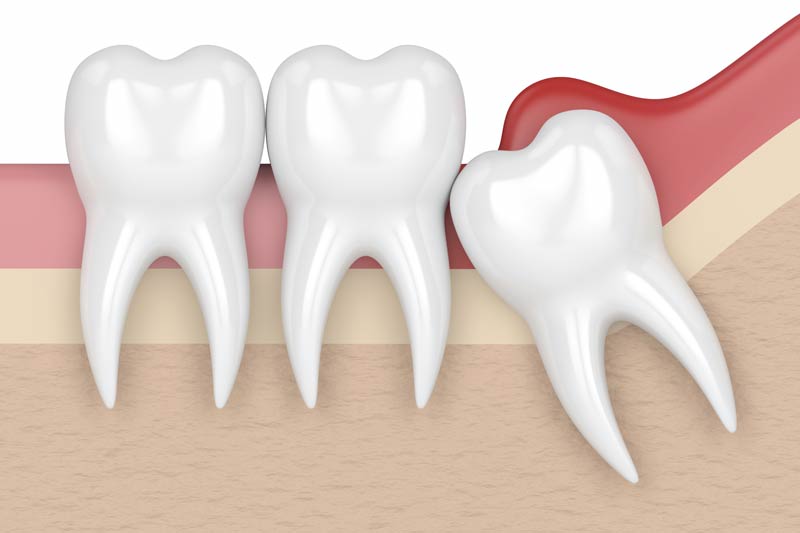
Wisdom teeth are the last molars to develop. Some erupt normally and remain maintainable; others stay trapped, emerge at an angle, or create areas that are difficult to clean. We evaluate symptoms, position, surrounding teeth, gum tissue, and your health before discussing options.
Why thoughtful planning matters
Care that considers the tooth—and the person.
Diagnosis before assumptions
Imaging and a clinical exam help distinguish wisdom-tooth concerns from other causes of pain or swelling.
Plan around anatomy
Position, root development, nearby structures, infection, and access all influence the appropriate treatment setting.
Know what comes next
If removal is recommended, you receive preparation, recovery, medication, and follow-up guidance specific to the procedure.
What to expect
A clear path from concern to confident next step.
- 01
Evaluate symptoms and position
We discuss pain, swelling, jaw stiffness, food trapping, and prior episodes, then examine the area and review appropriate imaging.
- 02
Discuss monitoring or removal
The benefits, risks, timing, and alternatives are explained. Complex anatomy or medical needs may call for referral to an oral surgeon.
- 03
Prepare for the appointment
You receive case-specific instructions about eating, medications, transportation, and comfort options before treatment.
- 04
Support recovery
Written aftercare covers bleeding, swelling, diet, cleaning, activity, and when to call with a concern.
Personalized evaluation
Reasons wisdom teeth are evaluated
Symptoms can come and go, and an impacted tooth may still affect neighboring structures. Conversely, an asymptomatic tooth may be appropriate to monitor. The decision is individualized.
- Pain, swelling, or repeated gum inflammation
- Partial eruption and food trapping
- Decay or damage near the wisdom tooth
- Impaction or concerning position on imaging
Frequently asked questions
Answers before you make a decision.
Clear information makes it easier to feel confident about your care. Explore a few of the questions patients ask most often.
Does every wisdom tooth need to be removed?
No. Some wisdom teeth can be monitored when they are healthy, functional, cleanable, and not harming nearby structures. An exam and imaging guide the recommendation.
What does impacted mean?
An impacted tooth has not fully erupted into a usable position because it is blocked by bone, gum tissue, another tooth, or its angle of development.
How long is recovery?
Recovery varies with the number and position of teeth, procedure complexity, and individual healing. Your clinician will provide expectations based on your case.
Will I need an oral surgeon?
Some wisdom teeth can be managed in a general dental setting; others are better treated by an oral surgeon because of anatomy, complexity, health history, or comfort needs.
Explore related care
Your next step may connect to more than one service.
Ready when you are
Get clarity about your wisdom teeth before symptoms decide for you.
Schedule online, or call our Bastrop team for help choosing the right kind of visit.