
Dental Crowns in Bastrop
Restore strength without losing sight of your smile.
Dental crowns can protect and rebuild compromised teeth while restoring comfortable function and a natural-looking shape.
Dental Crowns in Bastrop
When a filling is not enough, a crown can give a tooth a stronger second chapter.
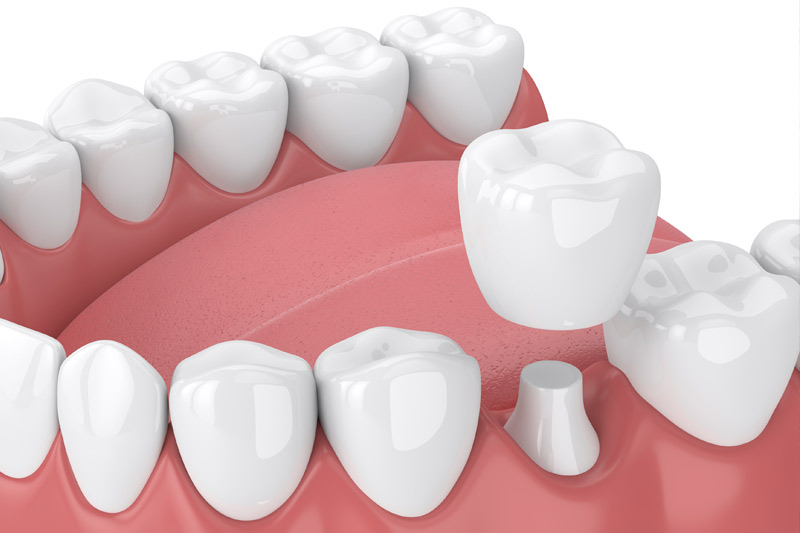
A dental crown is a custom restoration that covers the visible portion of a tooth. It may be recommended when decay, fracture, wear, a large filling, or root canal treatment has left too little healthy structure for a smaller restoration. The aim is to preserve the tooth when clinically appropriate and help it function comfortably again.
Why thoughtful planning matters
Care that considers the tooth—and the person.
Protect remaining structure
A crown surrounds and supports a weakened tooth, helping distribute biting forces across the restoration.
Restore form and function
Careful shaping can rebuild chewing surfaces, contours, and contact with neighboring teeth.
Blend with your smile
Material and shade are selected with the location of the tooth, functional demands, and your appearance goals in mind.
What to expect
A clear path from concern to confident next step.
- 01
Diagnosis and planning
We examine the tooth and use appropriate imaging to determine whether a crown, filling, or another option makes sense.
- 02
Tooth preparation
The area is numbed, damaged structure is addressed, and the tooth is shaped to create space for the restoration.
- 03
Impression and protection
A precise impression or scan guides fabrication. A temporary crown may protect the tooth while the final restoration is made.
- 04
Final placement
The crown is evaluated for fit, bite, contour, and appearance before it is secured and home-care guidance is reviewed.
Personalized evaluation
Why might a tooth need a crown?
Crowns are commonly considered when a tooth needs more coverage than a filling can provide. Every recommendation follows an exam; a crown is not automatically the right answer for every damaged tooth.
- A large or fractured filling
- A cracked, worn, or broken tooth
- Significant decay or loss of structure
- Protection after root canal treatment when indicated
Frequently asked questions
Answers before you make a decision.
Clear information makes it easier to feel confident about your care. Explore a few of the questions patients ask most often.
How long does a dental crown last?
Longevity varies with the tooth, material, bite, habits, hygiene, and regular care. We will explain how to clean around the crown and what changes should prompt an evaluation.
Is getting a crown painful?
Local anesthetic is commonly used during preparation. Temporary sensitivity or gum tenderness can occur; contact the office if discomfort is significant or persists.
Does every crown require a root canal?
No. A root canal is recommended only when the pulp inside the tooth is inflamed or infected or when other clinical findings indicate it.
Can a crown get a cavity?
The crown itself cannot decay, but the natural tooth at its edge can. Daily brushing, cleaning between teeth, and regular exams remain important.
Explore related care
Your next step may connect to more than one service.
Ready when you are
Protect a damaged tooth with a plan built for the long term.
Schedule online, or call our Bastrop team for help choosing the right kind of visit.