
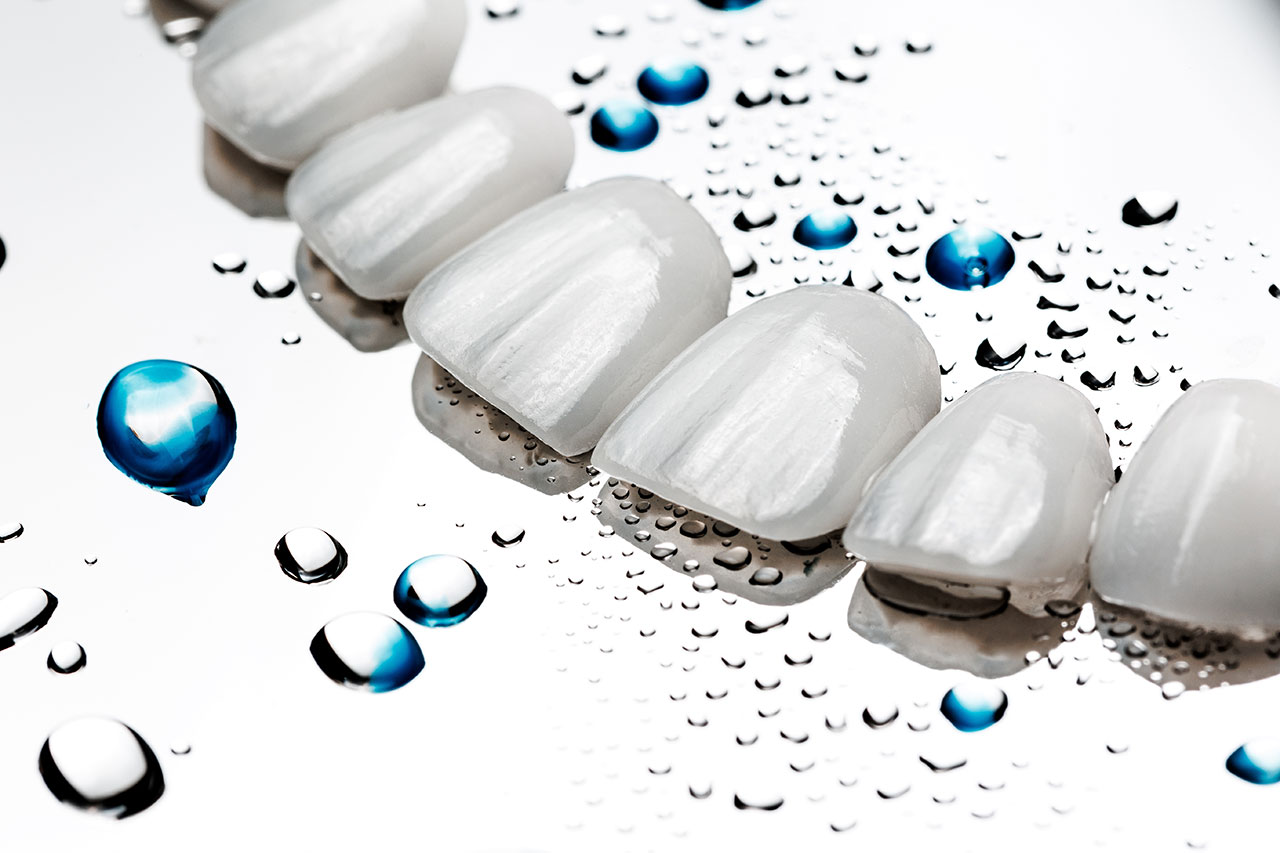
Have you ever wondered why some smiles appear so balanced even though every tooth is slightly different? Often, the answer is not simply brighter teeth. Shape, proportion, spacing, symmetry, and color all influence the overall appearance of a smile. Veneers are one option within cosmetic dentistry that may be used to change several of these characteristics at the same time.
Veneers are thin restorations placed over the visible front surface of selected teeth. They may be considered when someone wants to address concerns such as discoloration, uneven tooth shape, small spaces, worn edges, or other cosmetic irregularities. However, veneers are not a one-size-fits-all treatment. Careful evaluation and planning help determine whether they are appropriate for a particular smile.
What Are Veneers?
Dental veneers are custom-made coverings designed for the front surfaces of teeth. Rather than replacing an entire tooth, veneers modify the portion that is visible when you smile.
Porcelain and other dental ceramic materials are commonly used because they can be designed to resemble natural enamel. Depending on the treatment approach, the dentist may remove a small amount of tooth structure to create space for the restoration and establish the desired contour.
Veneers can be planned for one tooth or several teeth. The appropriate number depends on the concern being treated, which teeth show in the smile, and how the planned restorations will blend with untreated teeth.
What Cosmetic Concerns Can Veneers Address?
Veneers are versatile because a single restoration can alter several visible characteristics of a tooth. Depending on the patient's circumstances, veneers may be considered for:
- Persistent discoloration
- Uneven tooth color
- Small chips
- Worn or shortened tooth edges
- Teeth with irregular shapes
- Minor differences in tooth size
- Small spaces between teeth
- Certain mild alignment irregularities
- Changes in overall smile symmetry
However, veneers do not treat every cosmetic or functional problem. Significant tooth decay, active gum disease, major bite problems, or extensive tooth damage may require other care first.
Likewise, if the primary concern is tooth position rather than shape or color, orthodontic treatment may sometimes preserve more natural tooth structure than using veneers to visually change alignment. Treatment planning should therefore consider the underlying cause of the concern, not just the desired appearance.
Benefits of Veneers
For appropriately selected patients, veneers can offer several cosmetic and practical advantages.
- Multiple cosmetic changes at once: Veneers can modify tooth color, shape, size, and proportion through one coordinated treatment plan.
- Customized appearance: Each veneer can be designed to complement the patient's smile rather than using a single standard shape.
- Natural-looking materials: Dental ceramics can reproduce many of the visual qualities associated with natural enamel.
- Improved symmetry: Veneers can help create more consistent proportions among visible teeth.
- Coverage for persistent discoloration: Certain color concerns that do not respond predictably to whitening may sometimes be masked with veneers.
- Correction of minor chips or worn edges: Veneers may recreate tooth contours when damage is limited and the tooth remains suitable for this type of restoration.
- Coordinated smile design: Several veneers can be planned together to create a consistent result across the visible smile.
The goal should not be to make every smile identical. Instead, well-planned veneers should complement facial features, neighboring teeth, and the patient's preferences while maintaining appropriate function.
Porcelain Veneers vs. Dental Bonding
Dental bonding and veneers can sometimes address similar cosmetic concerns, but the materials and treatment approaches differ.
Bonding generally uses tooth-colored composite material that is placed and shaped directly on the tooth. It may be useful for small chips, minor contour changes, or localized cosmetic concerns. Because the material is applied directly, bonding can sometimes be completed more conservatively.
Porcelain veneers are custom restorations fabricated to fit the tooth. They may be selected when broader changes in shape, color, proportion, or symmetry are desired.
Neither option is universally better. Bonding may make sense for a small adjustment, while veneers may provide advantages when several characteristics or several teeth need to be changed together. Longevity expectations, maintenance, treatment cost, tooth condition, and cosmetic goals should all be discussed.
Veneers vs. Teeth Whitening
Patients who mainly want a brighter smile may not necessarily need veneers. Professional teeth whitening may be a more conservative option when natural teeth are healthy and the primary concern is external or age-related discoloration.
Veneers become more relevant when color is only one part of the concern. For example, a patient may also want to change uneven edges, tooth proportions, small spaces, or the shape of several teeth.
Importantly, veneers themselves do not whiten in the same way natural teeth can. For that reason, patients who want both whitening and veneers may benefit from discussing the sequence of treatment before the final veneer shade is selected.
What Is the Veneer Process?
Veneer treatment begins with a conversation about what the patient likes, what they would prefer to change, and what type of result would feel natural to them. The dentist then evaluates the teeth, gums, bite, existing restorations, and overall smile.
If veneers are appropriate, treatment planning focuses on factors such as tooth length, width, shape, shade, and relationship to the gumline. Photographs or digital scans may also help with planning.
Depending on the type of veneer and the condition of the tooth, a small amount of enamel may be modified. An impression or digital scan is then used to create the restoration.
Once the veneers are ready, the dentist evaluates their fit, appearance, and relationship to the bite before they are bonded to the teeth. Adjustments may be made as needed to improve comfort and appearance.
Do Veneers Require Removing Enamel?
Many veneer treatments involve removing some enamel so the restoration can fit naturally without making the tooth appear excessively bulky. The amount varies according to the type of veneer, tooth position, desired changes, and material requirements.
Because tooth preparation may be irreversible, patients should understand this part of treatment before proceeding. Cosmetic dentistry should be approached thoughtfully, with the amount of natural tooth structure preserved whenever clinically appropriate.
Some patients may hear about minimal-preparation or no-preparation veneers. These approaches may work in selected circumstances, but they are not appropriate for every tooth. Adding material without creating sufficient space can sometimes produce contours that feel or look too prominent.
How Long Do Veneers Last?
Veneers are designed as durable restorations, but no dental restoration should be considered permanent for life. Longevity depends on the material, bite forces, oral hygiene, habits, tooth condition, and how well the restorations are maintained.
Patients who clench or grind their teeth may place additional forces on veneers. Consequently, a protective nightguard may sometimes be recommended. Biting directly into very hard objects can also increase the risk of damage.
Professional examinations remain important because the dentist can evaluate the veneers, the teeth beneath them, the gums, and the bite over time.
How Should You Care for Veneers?
Veneers do not eliminate the need for brushing and flossing. The natural tooth structure and gumline surrounding each veneer still require daily care.
Brush thoroughly with a suitable toothpaste and clean between the teeth every day. In addition, continue attending regular dental cleanings and examinations.
Avoid using veneered teeth as tools for opening packaging or biting nonfood objects. Likewise, patients who chew ice or have other habits that place excessive force on the front teeth should consider changing those habits.
If a veneer feels loose, develops a rough edge, or seems different when biting, contact a dental professional for an evaluation instead of trying to repair it at home.
Who Is a Good Candidate for Veneers?
Potential candidates generally have cosmetic concerns that veneers can reasonably address, enough healthy tooth structure to support the restorations, and gums that are healthy enough for cosmetic treatment.
A stable bite is also important. Significant tooth grinding, severe crowding, untreated decay, gum disease, or other concerns may need to be managed first.
Expectations matter as well. Cosmetic dentistry should enhance a smile without creating unrealistic pressure to achieve a particular appearance. Patients should feel comfortable discussing subtle results, noticeable changes, preferred tooth shapes, and other personal preferences.
A treatment consultation offers an opportunity to determine whether veneers are suitable or whether whitening, bonding, orthodontic treatment, crowns, or another option may accomplish the goal more conservatively.
How Many Veneers Do You Need?
There is no standard number. One veneer may be appropriate when a single tooth has a cosmetic irregularity, while several veneers may be considered when the goal involves overall smile symmetry.
One important factor is how many teeth are visible when the patient smiles naturally. Another is whether untreated teeth would blend well with the veneers in color, size, and shape.
Planning should consider the smile as a whole rather than automatically recommending the same number of veneers for every patient.
Choosing the Right Veneer Shade
Patients sometimes assume the brightest possible shade will create the best result. However, a natural-looking smile involves more than whiteness.
Skin tone, neighboring teeth, tooth translucency, facial features, and personal preferences can all influence shade selection. In addition, natural teeth typically contain subtle variations rather than appearing as one completely uniform color.
A thoughtful cosmetic plan aims to create a shade that looks bright and healthy while still fitting naturally with the person wearing the veneers.
Frequently Asked Questions About Veneers
Do veneers cover the entire tooth?
Veneers primarily cover the visible front surface of a tooth. A dental crown, by comparison, surrounds much more of the tooth structure and may be recommended when a tooth needs more extensive restoration.
Can veneers fix crooked teeth?
Veneers may visually improve certain minor alignment irregularities, but they do not physically move teeth like orthodontic treatment. More substantial crowding or bite concerns may be better addressed with orthodontics.
Can veneers stain?
Ceramic veneers are generally resistant to many common sources of staining. However, natural teeth and bonding materials around them can still change over time, so routine maintenance remains important.
Can you whiten veneers?
Traditional tooth whitening products do not change the color of porcelain veneers the same way they change natural tooth enamel. Therefore, shade planning is important before veneers are completed.
Are veneers permanent?
Veneers are long-term restorations, but they may eventually require repair or replacement. In addition, when enamel has been removed to accommodate veneers, that change to the natural tooth is irreversible.
Explore Veneers in Bastrop, TX
If you are interested in changing the color, shape, proportion, or symmetry of your smile, veneers may be one option worth discussing. A cosmetic evaluation can help determine what is possible while also identifying alternatives that may fit your goals and dental health.
Contact Hometown Dental Co. in Bastrop, TX at (512) 409-9777 to Schedule a Consultation and discuss whether veneers may be a good fit for your smile.
{ "@context": "https://schema.org", "@graph": [ { "@type": "Dentist", "@id": "https://www.hometowndentalco.com/#dentist", "name": "Hometown Dental Co.", "url": "https://www.hometowndentalco.com/", "telephone": "+1-512-409-9777", "address": { "@type": "PostalAddress", "streetAddress": "201 Hunters Crossing Blvd #16", "addressLocality": "Bastrop", "addressRegion": "TX", "postalCode": "78602", "addressCountry": "US" }, "areaServed": { "@type": "City", "name": "Bastrop" } }, { "@type": "Article", "headline": "Veneers in Bastrop, TX: What to Know Before Transforming Your Smile", "description": "Learn what veneers are, their potential benefits, how the veneer process works, candidacy factors, alternatives, maintenance, and common questions.", "author": { "@id": "https://www.hometowndentalco.com/#dentist" }, "publisher": { "@id": "https://www.hometowndentalco.com/#dentist" }, "isPartOf": { "@type": "Blog", "url": "https://www.hometowndentalco.com/blog/" }, "about": { "@type": "MedicalProcedure", "name": "Dental Veneers" }, "keywords": "veneers, veneers Bastrop TX, dental veneers, porcelain veneers, cosmetic dentistry, cosmetic dentist" }, { "@type": "FAQPage", "mainEntity": [ { "@type": "Question", "name": "Do veneers cover the entire tooth?", "acceptedAnswer": { "@type": "Answer", "text": "Veneers primarily cover the visible front surface of a tooth, while a dental crown surrounds much more of the tooth structure." } }, { "@type": "Question", "name": "Can veneers fix crooked teeth?", "acceptedAnswer": { "@type": "Answer", "text": "Veneers may visually improve certain minor alignment irregularities, but they do not physically move teeth like orthodontic treatment." } }, { "@type": "Question", "name": "Can veneers stain?", "acceptedAnswer": { "@type": "Answer", "text": "Ceramic veneers are generally resistant to many common sources of staining, although natural teeth and surrounding materials can still change over time." } }, { "@type": "Question", "name": "Can you whiten veneers?", "acceptedAnswer": { "@type": "Answer", "text": "Traditional tooth whitening products do not change the color of porcelain veneers in the same way they change natural tooth enamel." } }, { "@type": "Question", "name": "Are veneers permanent?", "acceptedAnswer": { "@type": "Answer", "text": "Veneers are long-term restorations, but they may eventually require repair or replacement. Tooth preparation performed for veneers may also be irreversible." } } ] } ] }